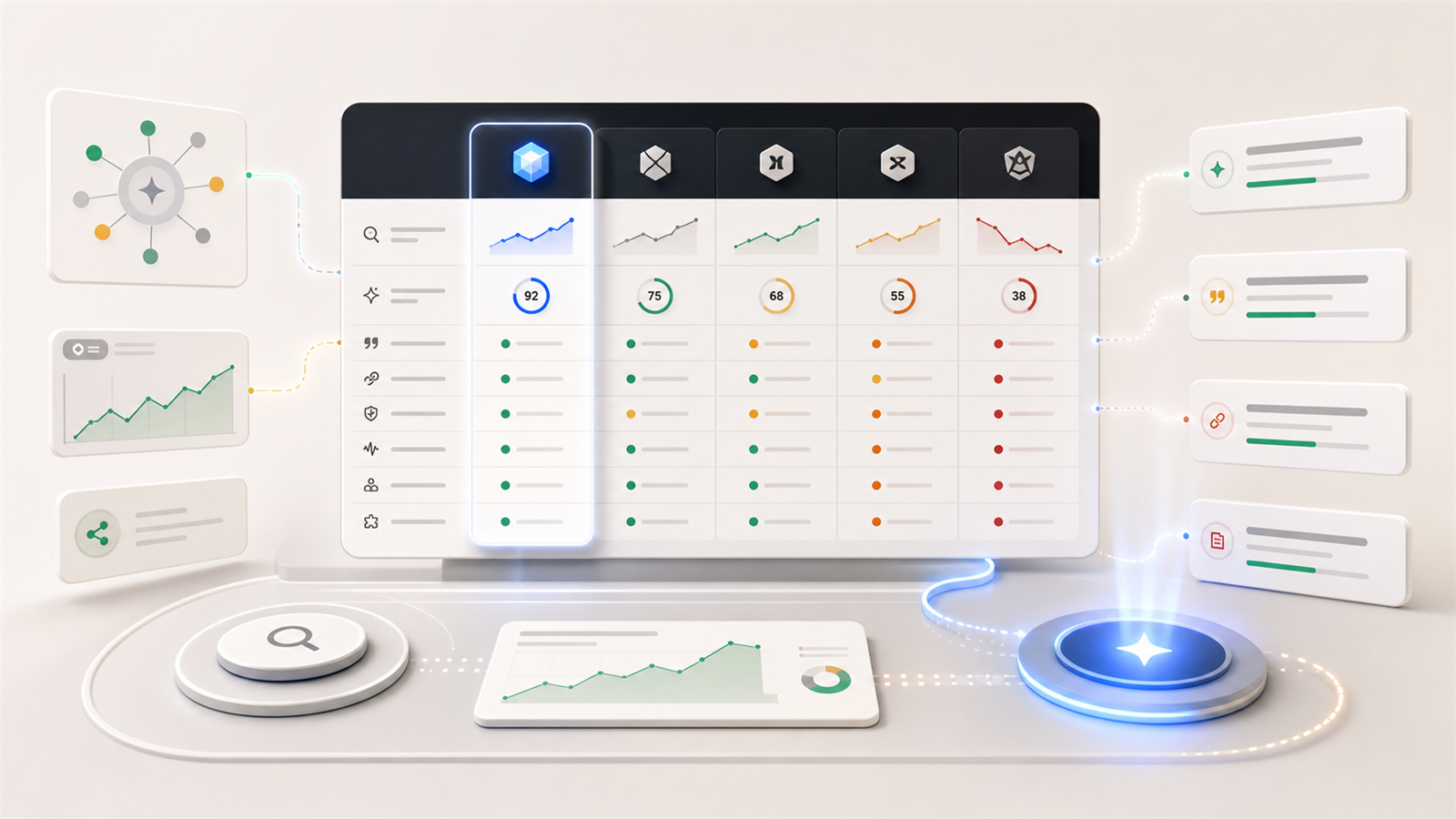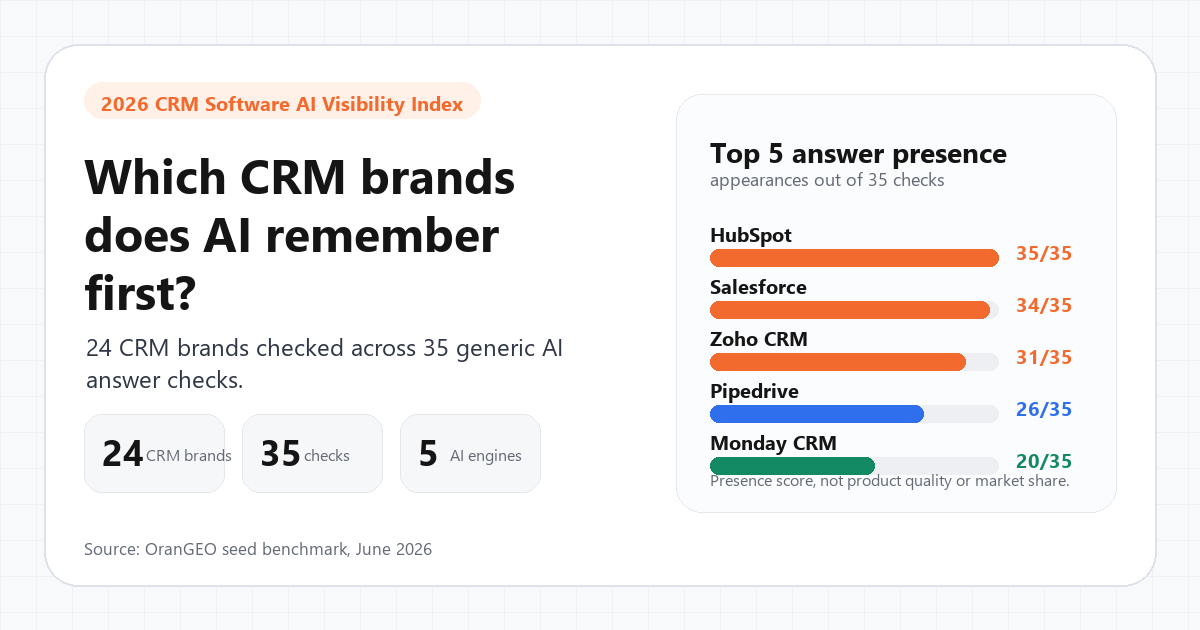
In the AI search era, the growth logic of enterprise SaaS is undergoing fundamental changes. Traditional customer acquisition methods relying on SEO rankings, paid advertising, and content marketing are gradually failing in the face of generative AI. When users increasingly obtain software recommendations through AI assistants like ChatGPT, DeepSeek, and Gemini, whether SaaS products can be "understood" and "recommended" by AI models becomes the new competitive focus.
I. The Paradigm Shift in SaaS Customer Acquisition
Traditional SaaS customer acquisition depends on search engine rankings, content marketing, and advertising. However, when users begin asking AI "What project management tool is suitable for small teams?" or "Which CRM system has the best value for money?", the rules of the game have completely changed.
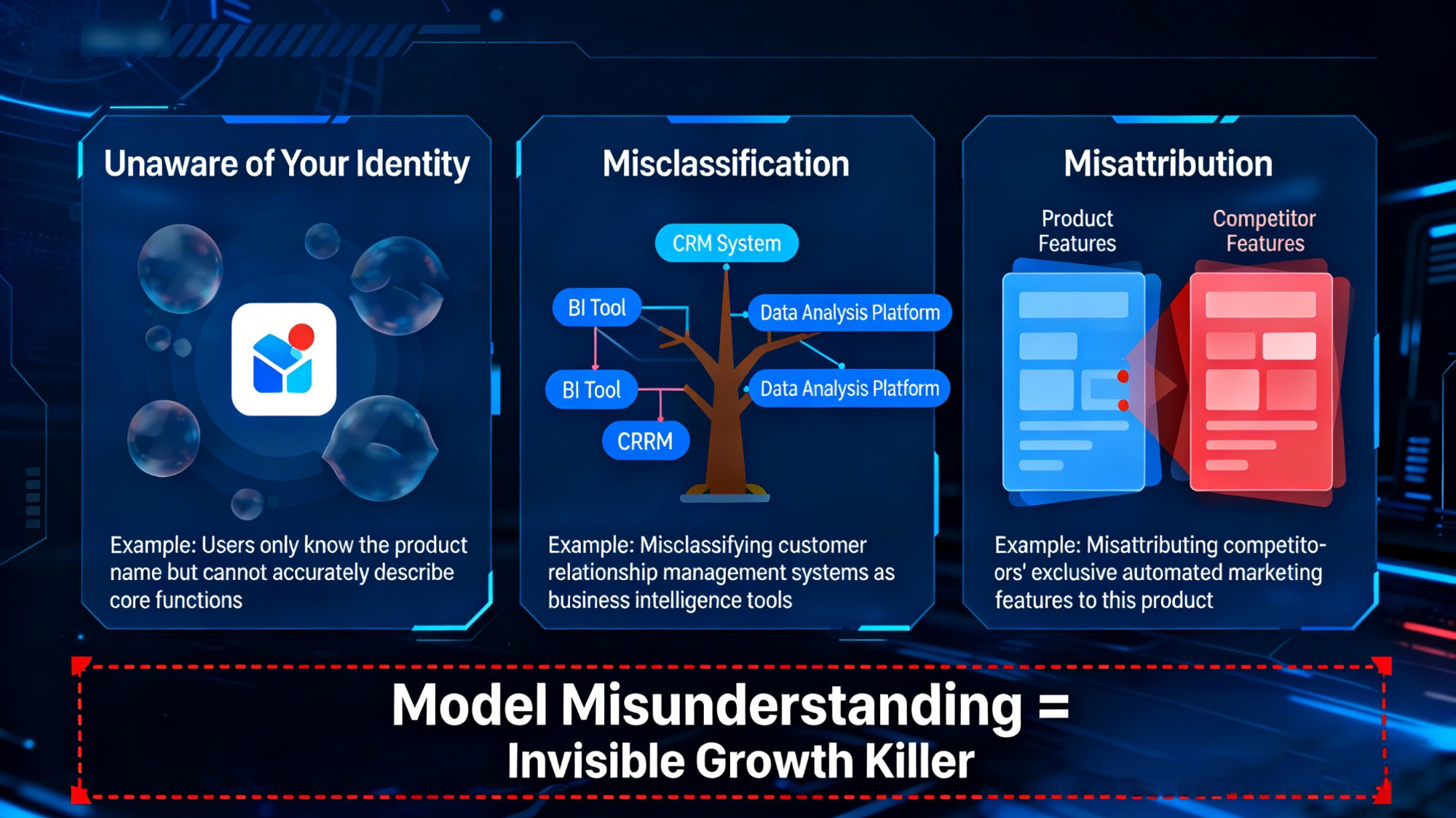
AI models don't simply rank by keywords but make recommendations based on their "understanding" of the product—including functional features, applicable scenarios, user reviews, and brand credibility. This means SaaS enterprises must reshape their content systems to let AI truly understand who you are, what you do, and why you should be recommended.
II. GEO Core Strategies for SaaS Enterprises
1. Product Knowledge Structuring
Break down product features, use cases, pricing plans, and competitive advantages into structured knowledge units that AI can parse and cite.
2. Scenario-Based Content Matrix
Create content around different user scenarios (such as "remote team collaboration tools", "startup CRM solutions") to increase the chances of being called in various AI query contexts.
3. Authoritative Content Building
Through industry white papers, case studies, and expert content, establish the brand's professional authority in the AI knowledge system, improving trust scores for AI citations.
4. Multi-Platform Semantic Consistency
Ensure consistent brand descriptions across official websites, help documents, third-party review sites, etc., allowing AI models to form unified and accurate product cognition.
III. Practical Case: How a B2B SaaS Company Achieved 3x AI Recommendation Growth
A project management SaaS company, after implementing a systematic GEO optimization strategy, restructured all product documentation, created scenario-based content covering 50+ use cases, and established structured FAQ libraries.
After six months, their product's citation frequency in ChatGPT, Perplexity, and other AI platforms increased by 280%, and inbound leads from AI channels accounted for 35% of total leads—becoming their fastest-growing customer acquisition channel.
IV. The Future: AI Recommendations Become the New Battleground for SaaS Competition
As AI assistants become mainstream tools for users to obtain software recommendations, SaaS enterprises' competition will shift from "search rankings" to "AI recommendation rankings." Who can be cited by AI when users ask questions, who can become AI's "default recommendation"—this will become the core indicator of SaaS brand value.
GEO is not just a marketing tactic but a strategic investment in SaaS enterprises' future growth capabilities. Enterprises that start deploying now will gain first-mover advantages in the AI-driven customer acquisition era.